Quikcard (Canada)
Designed a Paid Acquisition System for a Regulated B2B Benefits Provider
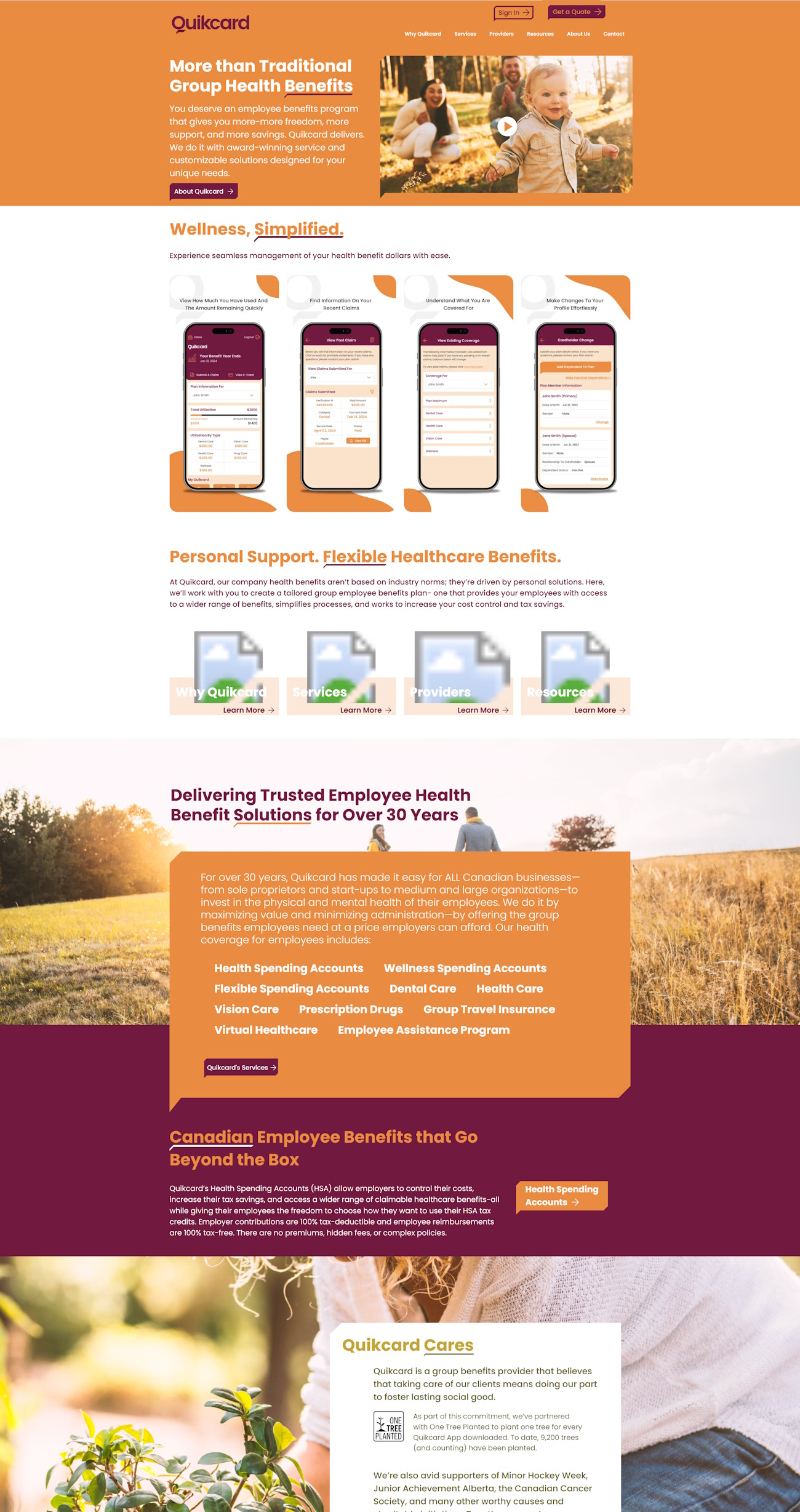
Quikcard was exploring new ways to grow its business after earlier marketing efforts failed to deliver consistent results.
I designed and iterated a full-funnel acquisition system (spanning paid media, a quiz-based entry point, and email-to-CRM alignment) that generated 100+ B2B leads and removed internal doubt around paid growth.
My role
Campaign Type
Core Deliverables
Business Impact
Before
The Problem
Quikcard was actively looking for ways to generate new business. Multiple options were being considered, including targeting different customer segments, adjusting positioning, or exploring alternative growth paths.
Marketing had already been attempted with agency partners, but those efforts did not produce meaningful results. As a result, there was understandable uncertainty about whether marketing was a viable growth lever, or whether the business needed to look elsewhere for new opportunities.
What wasn’t clear was whether the growth issue was the market itself, the target audience, or the way potential customers were acquired.
Key issues included:
1. Messaging that didn’t sound like the customer
The language used across ads and landing pages reflected industry terminology rather than how the target audience described their own problems. This made the content harder to relate to, even when the underlying offer was relevant.
2. A funnel flow that didn’t match user intent
Users clicking through were typically looking for quick clarity — what the product is, how it works, and whether it applies to them. Instead, they were sent into a process centred around requesting an “information pack,” which required answering a long set of questions upfront. The level of commitment being asked did not match intent at that stage.
3. Paid campaigns optimised for clicks, not actions
Previous Meta campaigns were set up to optimise for clicks rather than meaningful actions. This attracted people willing to tap an ad, but not necessarily people ready to engage further or start a conversation.
4. High friction across the funnel
From ad to landing page to form, users were repeatedly asked to slow down, read more, or provide information before receiving clarity. Even interested prospects dropped off because the process required too much effort too early.
5. Weak support from organic and social touchpoints
For users who clicked an ad and then researched Quikcard separately, social channels and website content did not reinforce clarity or trust. Content followed a brochure-style format, with limited use of short explanations, video, or social proof to help prospects quickly validate whether Quikcard was right for them.
Why this mattered
Taken together, these issues made it difficult to tell whether lack of growth was caused by demand, audience choice, or the way people were being asked to engage.
Before making larger strategic decisions — such as targeting new segments or changing the business model — the funnel needed to be simplified, clarified, and tested end-to-end.

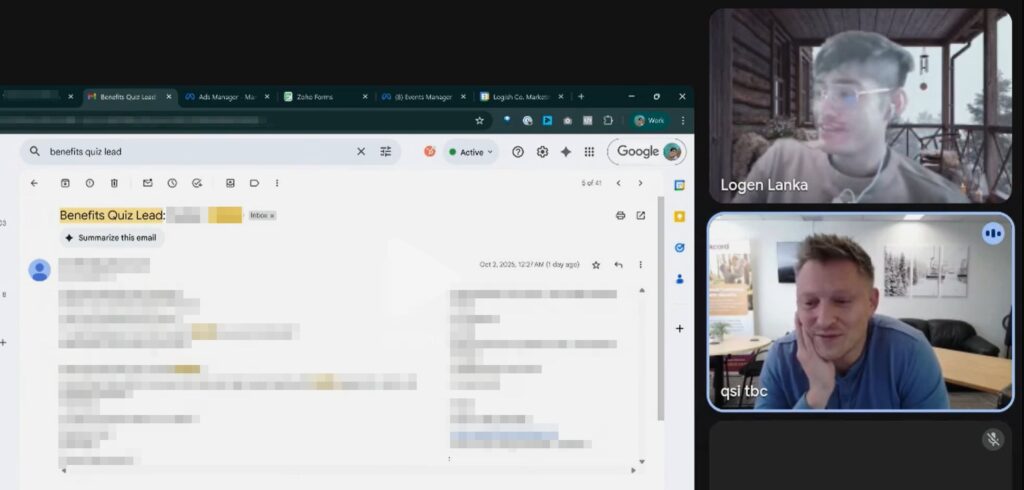
They (the advisors) are converting one or two of them, like, in the final stages of them, basically getting it tweaked.”
Chris’ feedback before the paid validation, but after the funnel and flow was built.

System Design & Key Decisions
The work began by treating Quikcard’s growth challenge as a system design problem, not a channel problem. Before changing audiences or strategy, the priority was to understand whether the existing market could generate new business once the funnel and messaging were clarified.
From there, the focus was on a small set of deliberate decisions designed to produce clear signal quickly.
Key strategic moves:
- Clarify the Ideal Customer Profile and language before building the funnel
Started by grounding the work in how existing customers actually think and decide. This included reviewing customer and competitor feedback, scanning forums and internal notes, and distilling what truly mattered to the target customer — including the language they use and respond to. - Clarity-first messaging, not corporate explanations
Based on this research, messaging was rewritten in plain, customer-led language tied to real jobs-to-be-done (what customers are trying to achieve), replacing industry jargon and explanation-heavy copy that made it harder to relate at first contact. - Clarity-first entry via a quiz, not high-friction forms
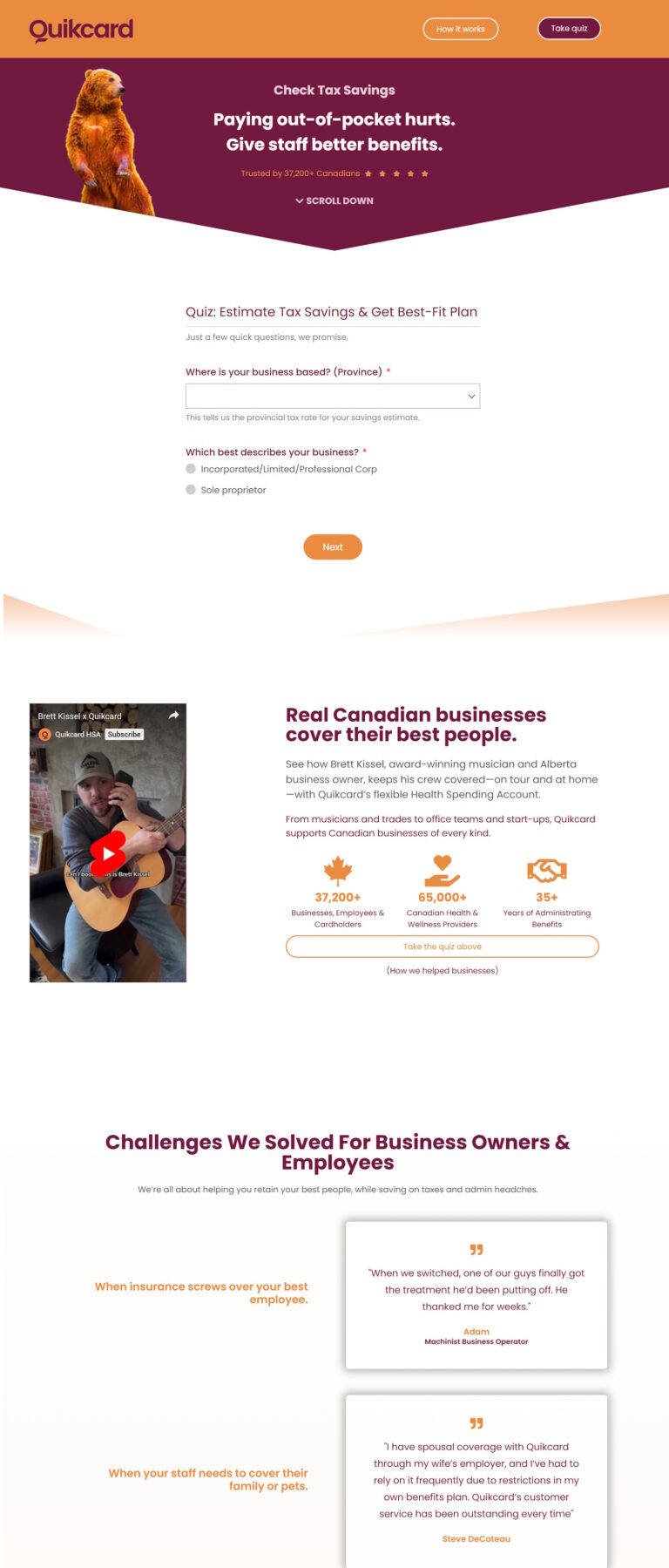
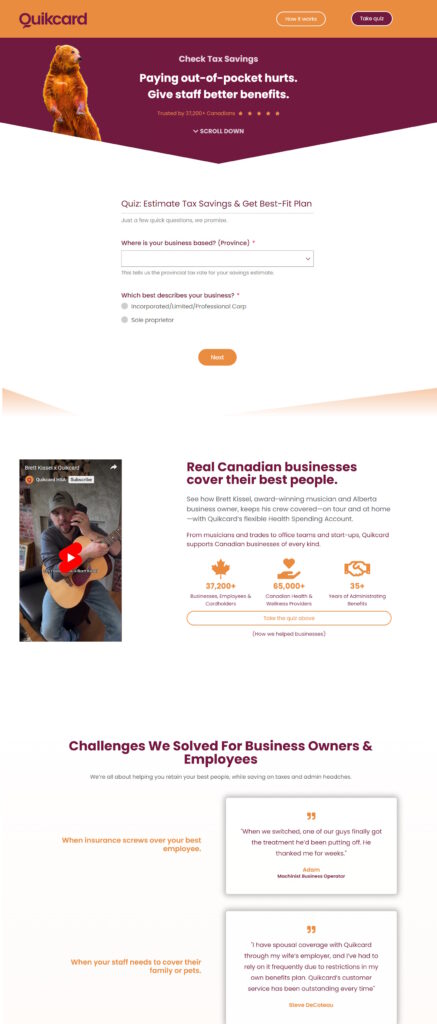
Replaced the existing “information pack” flow with a quiz-based entry designed to deliver value first, reduce cognitive load, and let users self-select before being asked for deeper commitment. - Paid as validation, not scale
Paid media was used as a fast, controllable way to validate both the funnel and the messaging. Creative and copy variations were tested to see what people actually responded to, allowing decisions to be based on behaviour rather than theory. - Intent-based flow, not one-size-fits-all leads
The funnel was designed to distinguish between exploratory and high-intent users early, so follow-up and sales handoff could match where someone actually was instead of forcing everyone down the same path. - One system, not disconnected parts
Ads, landing pages, the quiz, forms, and emails were treated as a single system and iterated together, with changes driven by real user behaviour rather than isolated optimisation.
Deliverables
Messaging & Ideal Customer Foundation
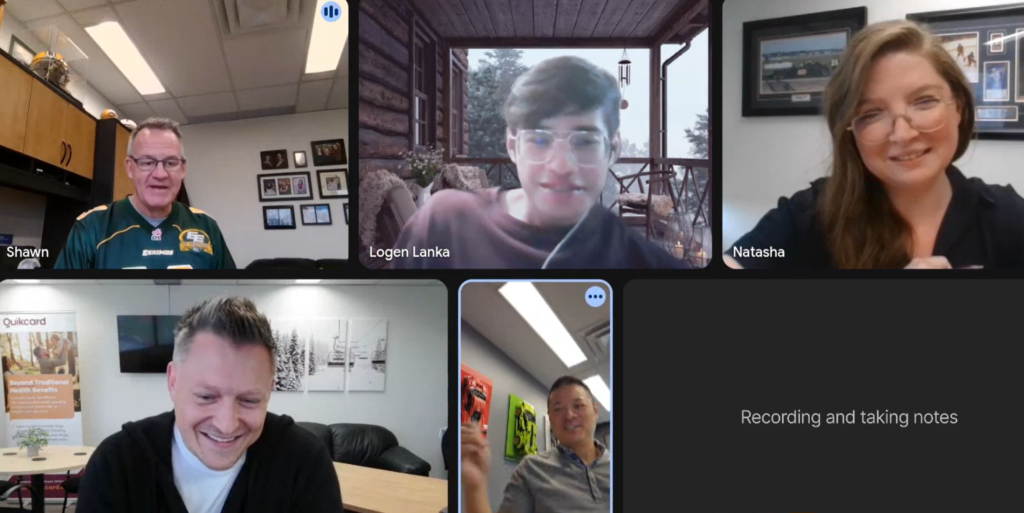
Workshop with Quikcard’s management and advisors to tease out customer insights, combined with customer feedback and reviews.
Quiz & Funnel Build
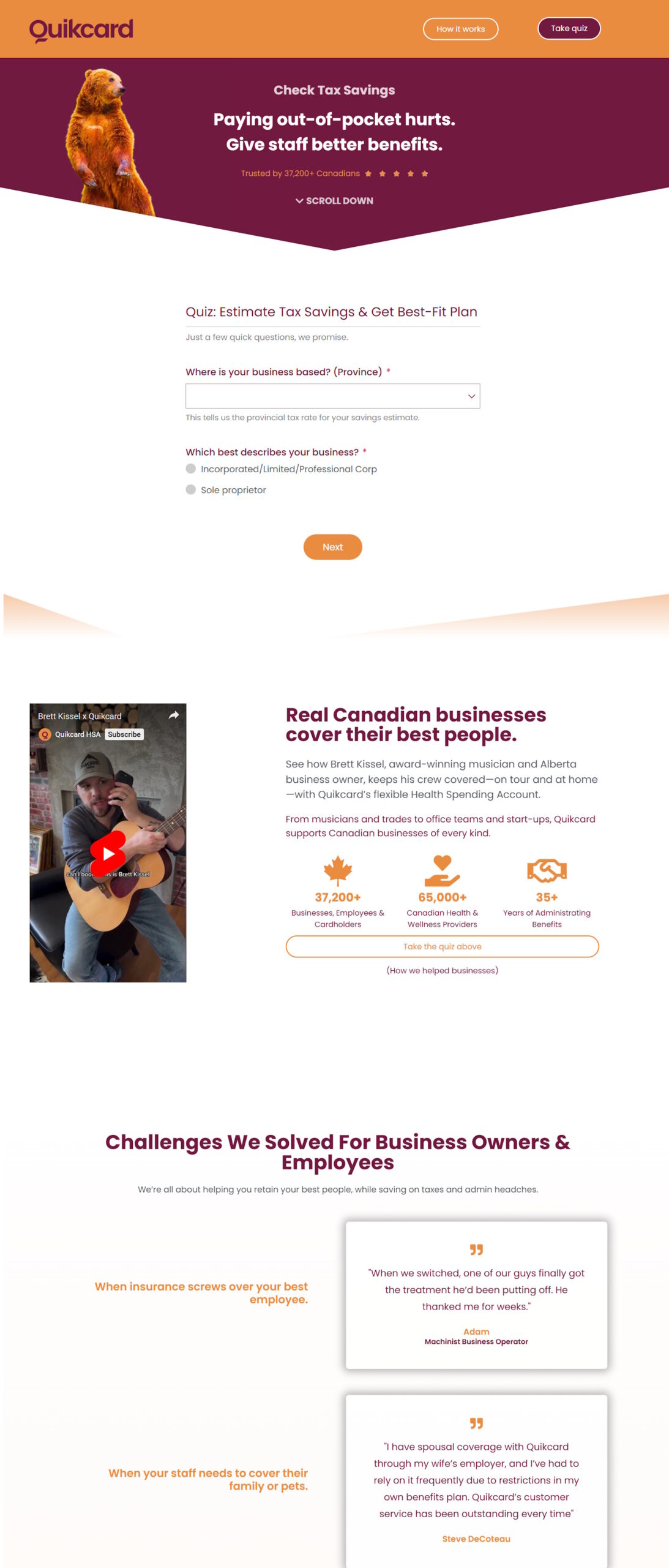
Users were enticed to become leads through a quick quiz that calculated how much they would save in taxes.
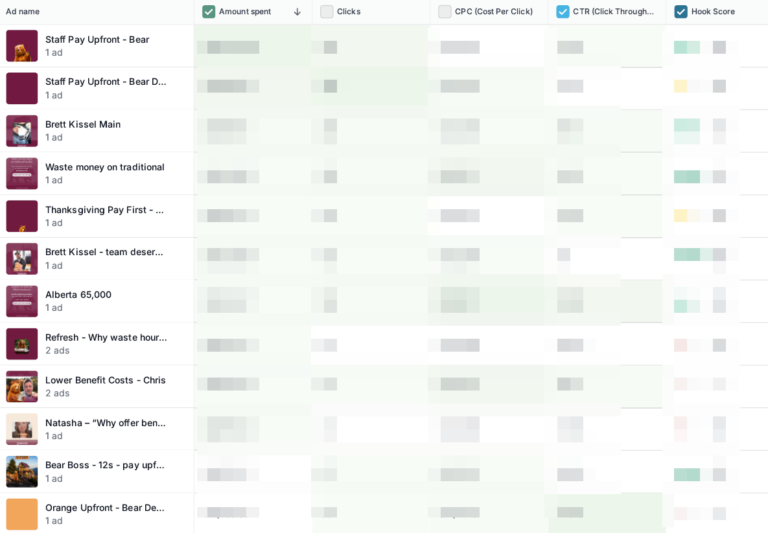
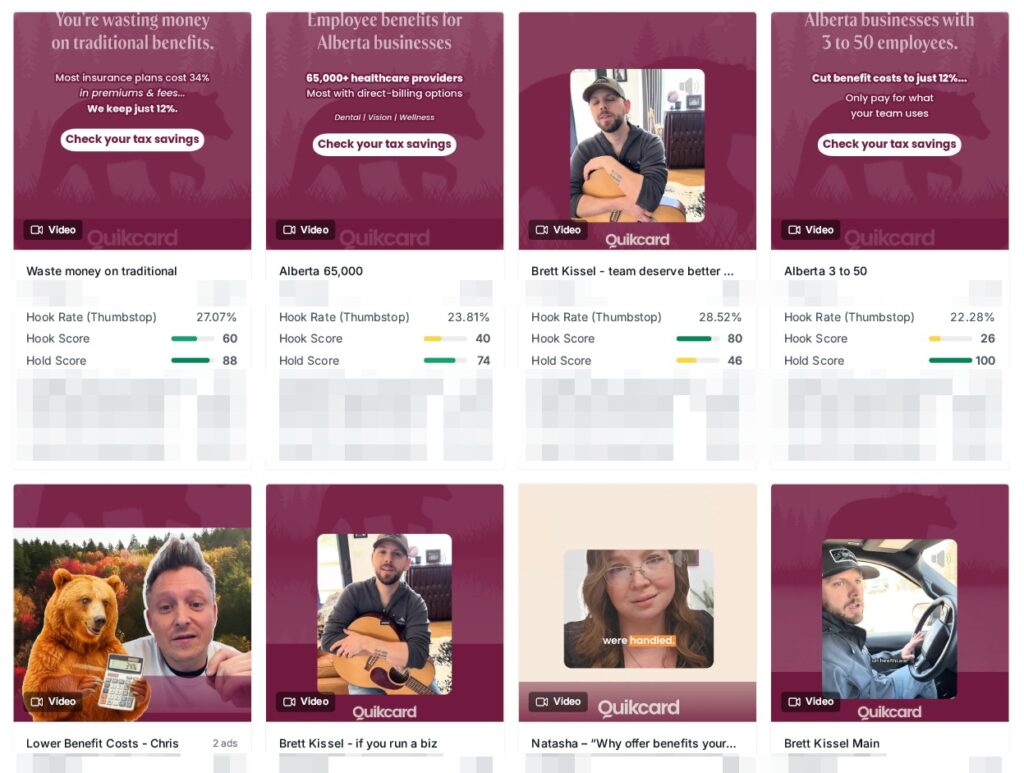
Paid Creative & Validation
The Meta Ad campaign tested both messaging and formats that resonated with Quikcard’s existing target customers.
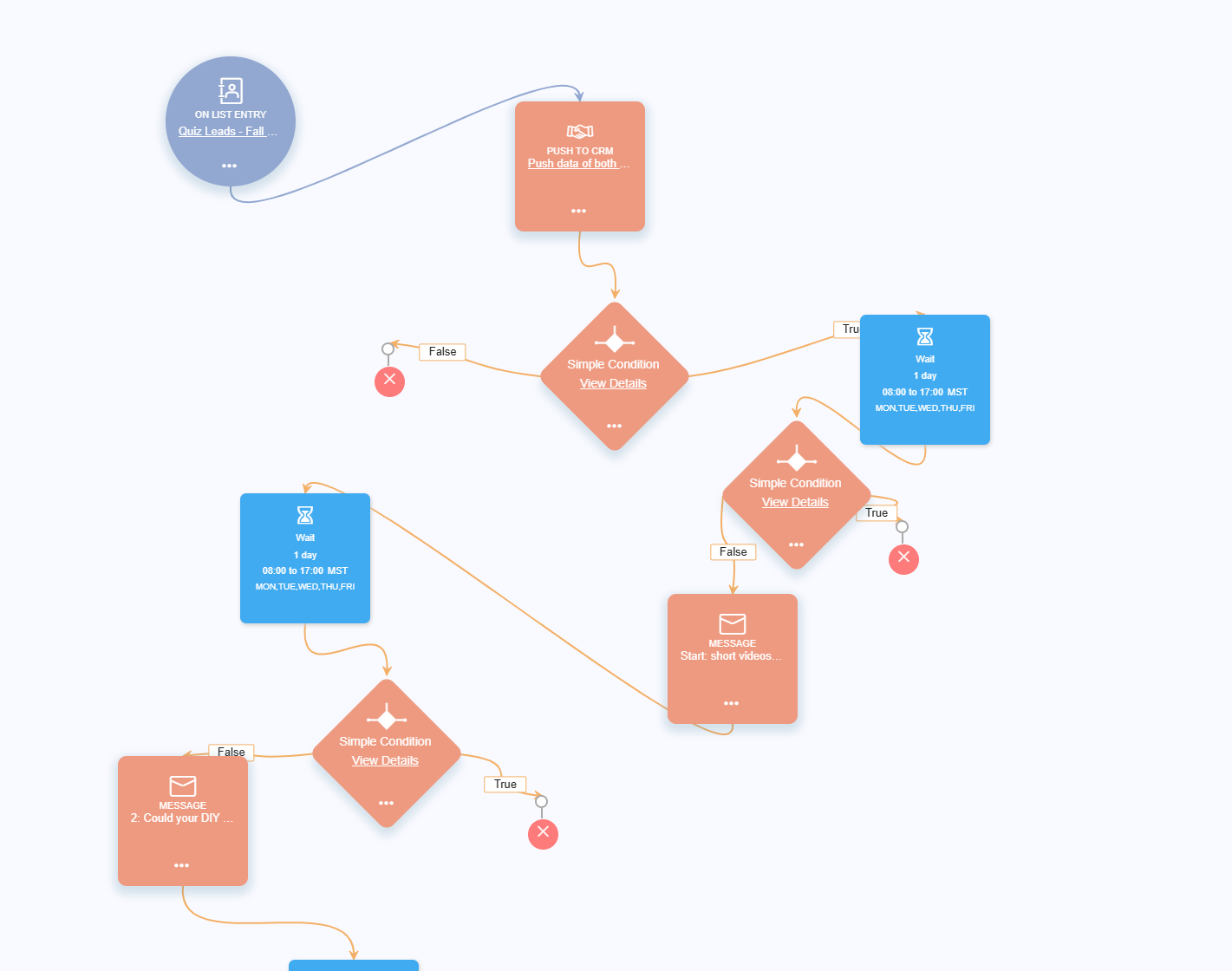
Email & CRM Flow
Leads from the quiz were integrated into Zoho CRM. An automation evaluated if a lead was ready to commit or needed warming up. “Later leads” went through an email sequence that primed them to become Quikcard’s customers later on.
Executive Wins
Results
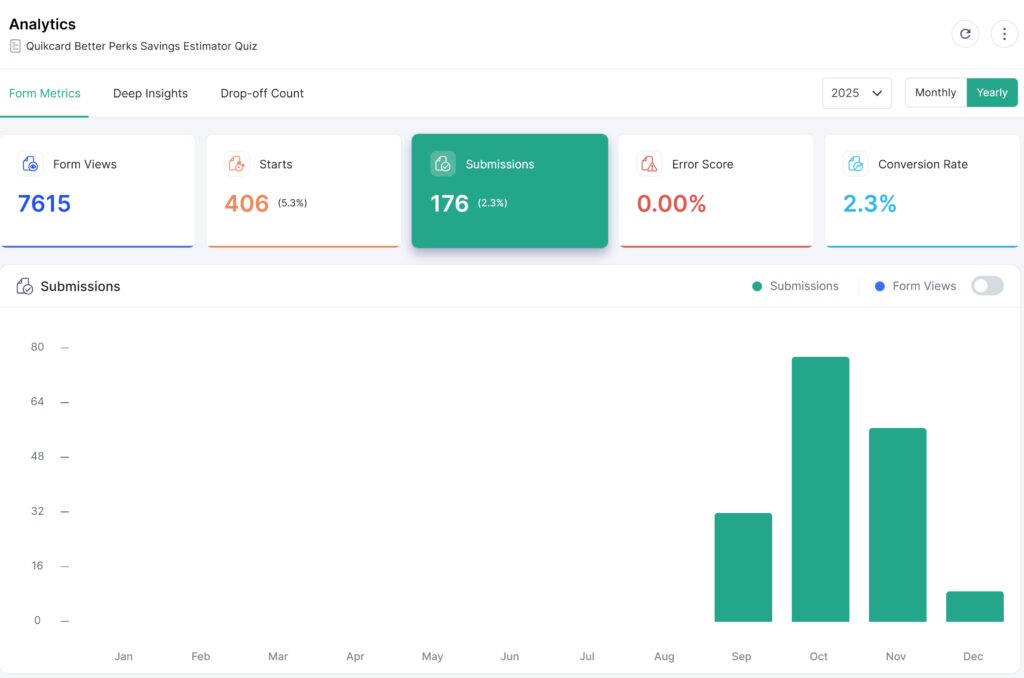
The campaign validated that Quikcard’s existing market could generate new business once the funnel and messaging were fixed. Within six weeks, the system generated 100+ qualified B2B leads through a quiz-led funnel, using paid media as a controlled input to test demand, intent, and messaging.
The team also gained clarity on ideal customer language, which messages resonated, and how to separate exploratory interest from real buying intent.
Instead of guessing next steps, Quikcard now had a working acquisition system it could refine, scale, or build on, without jumping prematurely into new segments or business models.
109+ qualified leads by mid-Nov 2025
Better engagement on both Instagram and Facebook
